
The 1,095-Day Rule: Physical Presence for Canadian Citizenship
Reviewed by Mohsen Khorvash and Mahsa Barati
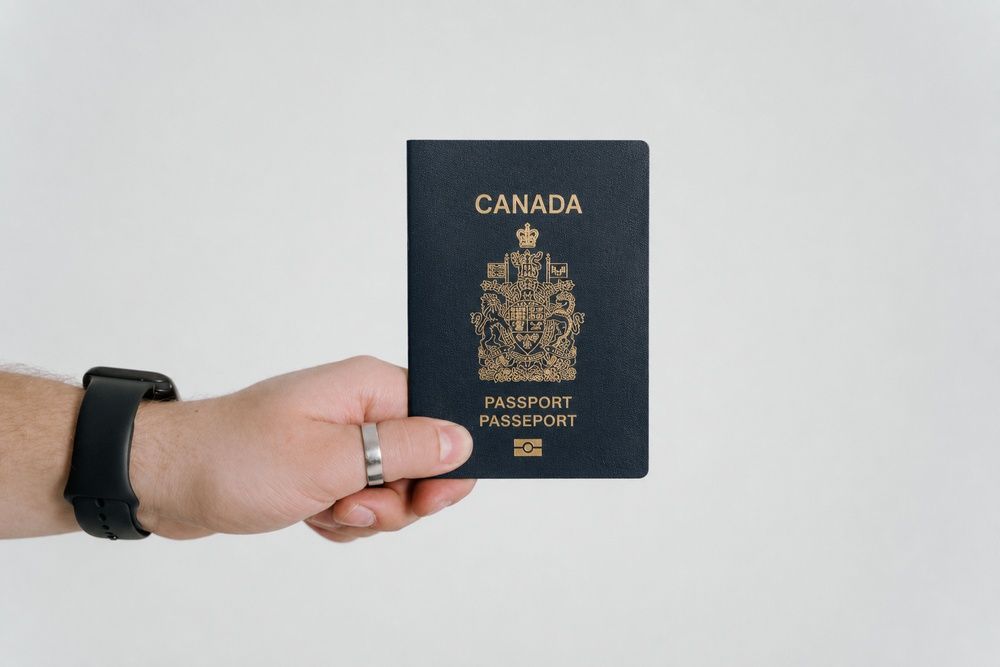
The 1,095-day rule is the heart of Canadian citizenship eligibility. It is the requirement to have been physically present in Canada long enough before you apply, and it is where more applications go wrong than on the test or the language proof. This guide explains what the rule is, exactly how to count your days, whether you can apply after three years, how long the journey from permanent resident to citizen takes, and the full list of citizenship requirements.
Key Facts About the 1,095-Day Rule
- The requirement: at least 1,095 days (three years) of physical presence in Canada during the five years before you apply.
- Not consecutive: the days do not need to be in a row.
- Pre-PR credit: time in Canada before becoming a permanent resident counts as half-days, up to 365 days.
- Minimum as a PR: at least 730 days must be as a permanent resident.
- Taxes: you generally must have filed taxes for three of the five years.
- Buffer: IRCC suggests applying with more than 1,095 days in case of a counting error.
What Is the 1,095-Day Rule?
The 1,095-day rule requires you to have been physically present in Canada for at least 1,095 days, which is three years, during the five years immediately before the date you sign your citizenship application. That five-year window is a rolling period counted backward from your application date, so if you apply on June 15, 2026, the window runs from June 15, 2021 to June 15, 2026. Only days you were physically inside Canada during that window count, and they do not need to be consecutive.
How Do You Count Your 1,095 Days?
Counting sounds simple but trips up many applicants. The rules are specific:
- Each full day as a permanent resident counts as one day.
- Time before permanent residence counts as half a day. Days you were legally in Canada as a temporary resident or protected person, such as a worker, student, or visitor, count as 0.5 each, up to a maximum of 365 days of credit.
- Arrival and departure days each count as a half-day of presence.
- Days outside Canada do not count. Even short trips, including a day trip across the U.S. border, are absences.
- Some time never counts, such as time in prison, on parole or probation, or while waiting on a refugee claim decision.
Because the math is easy to get wrong, IRCC provides a physical presence calculator, and its PDF output is required with citizenship applications. Reconstruct every trip from passport stamps, boarding passes, and travel records, since a total that contradicts your travel history can trigger delays or refusals.
Can You Apply for Canadian Citizenship After 3 Years?
Yes, if you have 1,095 days of physical presence within the five-year window. For someone who became a permanent resident and never left, three years of living in Canada reaches the threshold. If you also spent time in Canada before becoming a permanent resident, the half-day credit can get you there sooner. For example, two years of pre-PR time gives the maximum 365 days of credit, which can reduce the permanent resident time you need to just over two years.
Keep in mind the floor: at least 730 days, two years, must be as a permanent resident. Applying with a comfortable buffer above 1,095 days, rather than exactly at the line, is the safest approach.
Common Mistakes When Counting Days
- Forgetting short trips. Weekend visits, cross-border shopping, and same-day trips all count as absences.
- Rounding dates. The calculator needs exact entry and exit dates, not "sometime in July."
- Misunderstanding pre-PR time. It counts as half-days and is capped at 365 days of credit.
- Not filing taxes. Missing a required filing year, even with no income, can delay or sink an application.
- Applying too early. Submitting at exactly 1,095 days leaves no room for a counting error.
Full Canadian Citizenship Requirements
Physical presence is the centrepiece, but it is one of several requirements for Canadian citizenship. To be eligible for a grant of Canadian citizenship as an adult, you generally must:
- Hold valid permanent resident status with no unfulfilled conditions, and not be under review for immigration fraud or a removal order. Your PR card can be expired, as long as your status is valid.
- Meet the 1,095-day physical presence requirement described above.
- Have filed taxes for at least three of the five years in your window, if required under tax law. IRCC verifies this with the Canada Revenue Agency, so file any missing or nil returns first.
- Prove language ability if you are 18 to 54, at Canadian Language Benchmark 4 or higher in English or French.
- Pass the citizenship test if you are 18 to 54, covering Canada's history, geography, government, symbols, and rights and responsibilities. Preparing with a citizenship test guide helps.
- Have no prohibitions, such as serving a sentence or certain criminal convictions that make you temporarily ineligible.
- Take the oath of citizenship once your application is approved.
Applicants 55 and older are exempt from the language and test requirements and go straight to the oath after approval. Reaching this stage usually starts with permanent residence, often through a program such as Express Entry. You can review the official criteria on the Government of Canada's who can apply for citizenship page.
How Long Does It Take to Get Canadian Citizenship After PR?
The journey from permanent resident to citizen has two parts: the time to become eligible and the time to process your application. Most people need at least three years of physical presence to become eligible, or slightly less with pre-PR credit.
After you apply, processing generally takes several months up to about a year, and the online citizenship test has shortened one part of the wait considerably.
The adult application fee is CAD $630 as of 2026. Because applying too early means paying the fee again, it is worth confirming your day count and checking the current processing time before you submit. In short, the PR to citizenship timeline is usually a little over three years in total for someone who applies as soon as they qualify.
Does the 2025 Bill C-3 Change the 1,095-Day Rule?
No. The 2025 changes under Bill C-3 addressed citizenship by descent, ending the first-generation limit for people born abroad to a Canadian parent. They did not change the physical presence rule for permanent residents becoming citizens through naturalization. If you are a permanent resident, the 1,095-day requirement and the other conditions above still apply.
The 1,095-day count is where strong applications quietly fail, usually over travel dates, pre-PR credit, or a missed tax year. SEP Immigration, led by Sepehr Falahati (CICC and IRB member R533959), reviews your day count and full eligibility so you apply at the right time with the right evidence.
This page is general information, not legal advice. Citizenship rules and processing times change. Confirm current requirements on canada.ca, and use IRCC's physical presence calculator, or speak with a licensed representative, before you apply.
Frequently asked questions
01How many days do you need for Canadian citizenship?
You need at least 1,095 days, which is three years, of physical presence in Canada during the five years immediately before the date you apply. The days do not have to be consecutive, but only days you were physically in Canada count.
02Can I apply for Canadian citizenship after 3 years?
Yes, if you have accumulated 1,095 days of physical presence within the five-year window. Time in Canada as a temporary resident before becoming a permanent resident can count as half-days, up to 365 days, so some people qualify with a little over two years as a permanent resident. At least 730 days must be as a permanent resident.
03How long does it take to get Canadian citizenship after PR?
Most people need at least three years of physical presence before they can apply, or slightly less with pre-PR credit. After you apply, processing typically takes several months up to about a year. Check IRCC's current processing times for the latest estimate.
04Does time in Canada before permanent residence count?
Yes, but only partially. Each day you were legally in Canada as a temporary resident or protected person before becoming a permanent resident counts as half a day, up to a maximum of 365 days of credit toward your 1,095 days.
05Do I need to file taxes to become a Canadian citizen?
In most cases yes. You must have filed Canadian income tax returns for at least three of the five years in your eligibility period, if you were required to file. IRCC verifies this with the Canada Revenue Agency, so file any missing returns before you apply.
Stay informed
Get our immigration updates first on Google
Add SEP Immigration as a preferred source and our latest news and guides appear more often in your Google results.
About the Author

Sepehr Falahati
CEO of SEP Immigration
- CICC Licensed
- RCIC #R533959
- IRB Member
Sepehr Falahati is a Regulated Canadian Immigration Consultant (RCIC #R533959), licensed by the College of Immigration and Citizenship Consultants (CICC).
Read more about Sepehr FalahatiReviewed By


Continue Reading