
Dual Citizenship in Canada: Rules, Benefits, and Responsibilities
Reviewed by Mohsen Khorvash and Mahsa Barati
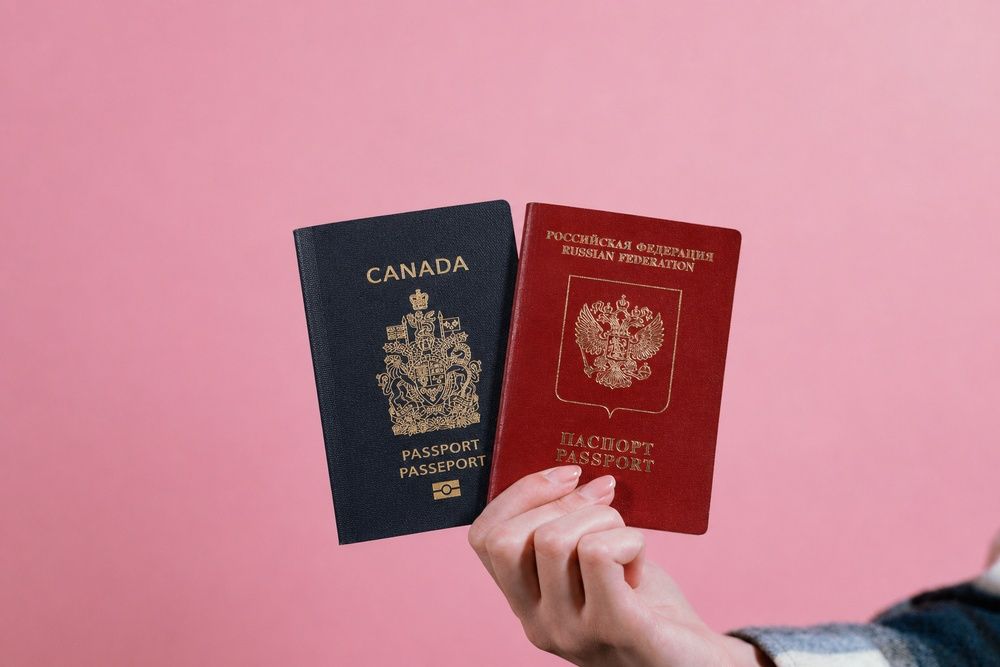
Dual citizenship means holding Canadian citizenship at the same time as citizenship of one or more other countries. Canada permits it, and recent law has widened who qualifies through family ties.
But dual status also comes with obligations to two governments, specific travel rules, and tax questions that catch people off guard. This guide explains whether Canada allows dual citizenship, how you can hold it, the major 2025 changes to citizenship by descent, and what dual status means in practice.
Key Facts About Dual Citizenship in Canada
- Allowed: Canada has permitted dual and multiple citizenship since February 15, 1977.
- The catch: your other country may not allow it and could revoke your original citizenship.
- Big 2025 change: Bill C-3, in force since December 15, 2025, removed the first-generation limit on citizenship by descent.
- No limit: Canada does not cap how many citizenships you can hold, so triple or multiple citizenship is allowed.
- Travel rule: dual Canadian citizens must fly to Canada with a valid Canadian passport, with an exception for Canadian-American dual citizens.
- Tax note: the United States taxes citizens on worldwide income, while Canada taxes by residency.
Does Canada Allow Dual Citizenship?
Yes. Canada has allowed dual, and even multiple, citizenship since February 15, 1977.
Becoming a Canadian does not require you to renounce any other nationality, and being Canadian does not stop you from acquiring another citizenship later. From Canada's side, you can be a citizen of Canada and one or more other countries at the same time without conflict.
How Many Citizenships Can You Have in Canada?
Canada does not set a limit on how many citizenships you can hold, so triple citizenship, or more, is allowed. The word "dual" is just the most common case; the same principle covers three or more nationalities.
What can limit you is not Canada but your other countries, since each one applies its own rules and some do not permit their citizens to hold any additional nationality.
In short, Canada will not object to how many passports you hold, but every other country on your list gets a say in whether it lets you keep its citizenship.
Will Your Other Country Let You Keep Its Citizenship?
This is where most problems arise, and it has nothing to do with Canadian law.
Many countries do not permit dual citizenship, and some automatically revoke your original citizenship the moment you naturalize elsewhere.
India, for example, does not allow dual citizenship, and China and several other countries have similar restrictions. Because losing your original nationality can have serious consequences for property, inheritance, and travel, confirm your home country's rules with its embassy or a qualified professional before you apply for Canadian citizenship.
How Do You Get Dual Citizenship in Canada?

There is no separate application for dual citizenship. You simply become a Canadian citizen through one of the normal routes while keeping your other citizenship. The common paths are:
- Naturalization. A permanent resident who meets the requirements applies for and is granted Canadian citizenship, keeping their original citizenship if that country allows it. Preparing for the citizenship test is part of this route for most adults.
- Birth in Canada. A child born on Canadian soil is a citizen by birth, and may also inherit a parent's nationality by descent, resulting in dual citizenship.
- Birth abroad to a Canadian parent. A child born outside Canada to a Canadian parent may be a citizen by descent, while also holding the citizenship of the country of birth.
- Resuming citizenship. Some former citizens can apply to resume Canadian citizenship.
Naturalization usually follows permanent residence, so many people reach dual citizenship after first obtaining permanent residence through a program such as Express Entry.
Citizenship by Descent and the 2025 Bill C-3 Changes
The rules for citizenship by descent changed significantly at the end of 2025. For years, a first-generation limit meant that citizenship could pass to only the first generation born outside Canada. A child born abroad to a Canadian parent who was also born abroad generally did not become a citizen.
In December 2023, the Ontario Superior Court found that limit unconstitutional, and Parliament responded with new legislation.
Bill C-3, an Act to amend the Citizenship Act, received Royal Assent on November 20, 2025, and came into force on December 15, 2025. It removed the first-generation limit, so citizenship by descent can now flow beyond one generation born abroad, restoring status to many so-called Lost Canadians. Two points define how it works now:
- Born before December 15, 2025: if you were born abroad within an unbroken chain of descent from a Canadian, you may be a citizen regardless of how many generations back the connection runs.
- Born or adopted abroad on or after December 15, 2025: if your Canadian parent was also born abroad, that parent must show a substantial connection to Canada, defined as at least 1,095 days of physical presence in Canada before your birth or adoption, for citizenship to pass to you.
If you think Bill C-3 makes you a citizen, you do not apply to become one. You apply for a proof of citizenship, called a citizenship certificate, to confirm the status you may already hold.
Be aware that demand surged after the law changed, and processing for these certificates has been running roughly a year or longer.
Multi-generational cases can be complex, since you generally need documents linking each generation back to the Canadian ancestor. The Government of Canada explains the reform on its changes to citizenship rules page.
Benefits of Dual Citizenship
Holding two citizenships combines the rights of both. As a Canadian citizen you can live, work, study, and vote in Canada with no residency obligation, unlike a permanent resident, and you can hold a Canadian passport. Kept alongside your other citizenship, dual status can offer:
- The right to live and work in two countries without needing a visa or permit in either.
- Two passports, which can broaden your visa-free travel options.
- Stronger ties to family, property, and business in both countries.
- The ability to pass citizenship to your children, subject to each country's descent rules.
Responsibilities and Risks of Dual Citizenship
Dual citizenship also means you answer to two governments, and the obligations can be real:
- You must obey the laws of both countries. When you are in your other country of citizenship, that country may treat you only as its own national.
- Taxes can be complicated. Canada taxes based on residency, but the United States taxes its citizens on worldwide income regardless of where they live, so Canadian-American dual citizens often have U.S. filing obligations. This is a tax matter for a cross-border specialist, not immigration advice.
- Consular help may be limited. When you are in your other country of citizenship, Canadian officials may be denied access to assist you. For example, Canada has no embassy in Iran and cannot provide consular assistance to Canadian-Iranian dual nationals while they are there.
- Other obligations may apply, such as compulsory military service or exit requirements in your other country.
Travel Rules for Dual Canadian Citizens
Since 2016, dual Canadian citizens must board flights to, or transit through, Canada using a valid Canadian passport. A citizenship certificate or card is not accepted for air travel, and airline check-in systems will block a boarding attempt with a non-Canadian passport. A few practical rules follow from this:
- Carry both passports when you travel, since your other country may require you to enter and exit on its passport.
- Canadian-American dual citizens are the exception. They may fly to Canada with a valid U.S. passport, but should carry proof of Canadian citizenship and may go through immigration screening.
- A special authorization exists for emergencies. If your flight leaves in less than ten days, you have no valid Canadian passport, and you hold a valid passport from a visa-exempt country, you may qualify for a short-term authorization to board. It is a temporary fix, not a substitute for a passport.
You can read the current rules on the Government of Canada's page for dual Canadian citizens visiting Canada.
Can You Give Up or Get Back Canadian Citizenship?
Dual status is not permanent if you do not want it. You can apply to renounce Canadian citizenship, which some people do because their other country forbids dual nationality. If you later change your mind, you may be able to apply to resume Canadian citizenship. Both are formal applications with their own requirements, so it is worth confirming the current rules before acting.
Dual citizenship questions often turn on fine details, such as whether Bill C-3 restored your status or whether your home country allows dual nationality. SEP Immigration, led by Sepehr Falahati (CICC and IRB member R533959), helps you assess your eligibility, trace descent-based claims, and apply for citizenship or proof of citizenship with confidence.
This page is general information, not legal or tax advice. Citizenship and travel rules change, and other countries set their own laws. Confirm current details on canada.ca and with your other country's authorities, or a licensed representative, before you act.
Frequently asked questions
01Does Canada allow dual citizenship?
Yes. Canada has allowed dual, and in fact multiple, citizenship since February 15, 1977. You do not have to give up any other citizenship to become Canadian. The limiting factor is usually the other country's law, not Canada's.
02Can I lose my original citizenship if I become Canadian?
Possibly, because it depends on your other country. Some countries automatically revoke citizenship when you naturalize elsewhere, and a few, such as India, do not permit dual citizenship at all. Check your home country's rules before you apply.
03Am I a Canadian citizen through a parent or grandparent born abroad?
You might be. Bill C-3, in force since December 15, 2025, removed the first-generation limit, so citizenship by descent can now pass beyond one generation born abroad. If you think you qualify, apply for a proof of citizenship to confirm the status you may already hold.
04Do dual citizens need a Canadian passport to fly to Canada?
Generally yes. Dual Canadian citizens must board flights to Canada with a valid Canadian passport, and a citizenship certificate is not accepted for air travel. The main exception is Canadian-American dual citizens, who may fly with a valid U.S. passport while carrying proof of Canadian citizenship.
05Do dual citizens pay taxes in both countries?
It depends on the countries involved. Canada taxes based on residency, while the United States taxes its citizens on worldwide income regardless of where they live. Speak with a cross-border tax professional about your situation.
06How many citizenships can you have in Canada?
Canada does not limit how many citizenships you can hold, so triple or multiple citizenship is allowed. Any limit comes from your other countries, since each applies its own rules and some do not permit their citizens to hold another nationality at all.
07What are the requirements for dual citizenship in Canada?
There is no separate set of dual citizenship requirements. You meet the requirements to become a Canadian citizen through a valid route, such as naturalization or citizenship by descent, and you keep your other citizenship if that country allows it. The key extra step is confirming your other country permits dual nationality.
08How do you apply for dual citizenship in Canada?
You do not file a separate dual citizenship application. You apply for Canadian citizenship, or apply for a proof of citizenship if you may already be a citizen by descent. As long as your other country allows it, you keep that citizenship and become a dual citizen automatically.
Stay informed
Get our immigration updates first on Google
Add SEP Immigration as a preferred source and our latest news and guides appear more often in your Google results.
About the Author

Sepehr Falahati
CEO of SEP Immigration
- CICC Licensed
- RCIC #R533959
- IRB Member
Sepehr Falahati is a Regulated Canadian Immigration Consultant (RCIC #R533959), licensed by the College of Immigration and Citizenship Consultants (CICC).
Read more about Sepehr FalahatiReviewed By


Continue Reading