
Spousal Sponsorship Interview Questions for Canadian Immigration
Reviewed by Mohsen Khorvash and Mahsa Barati
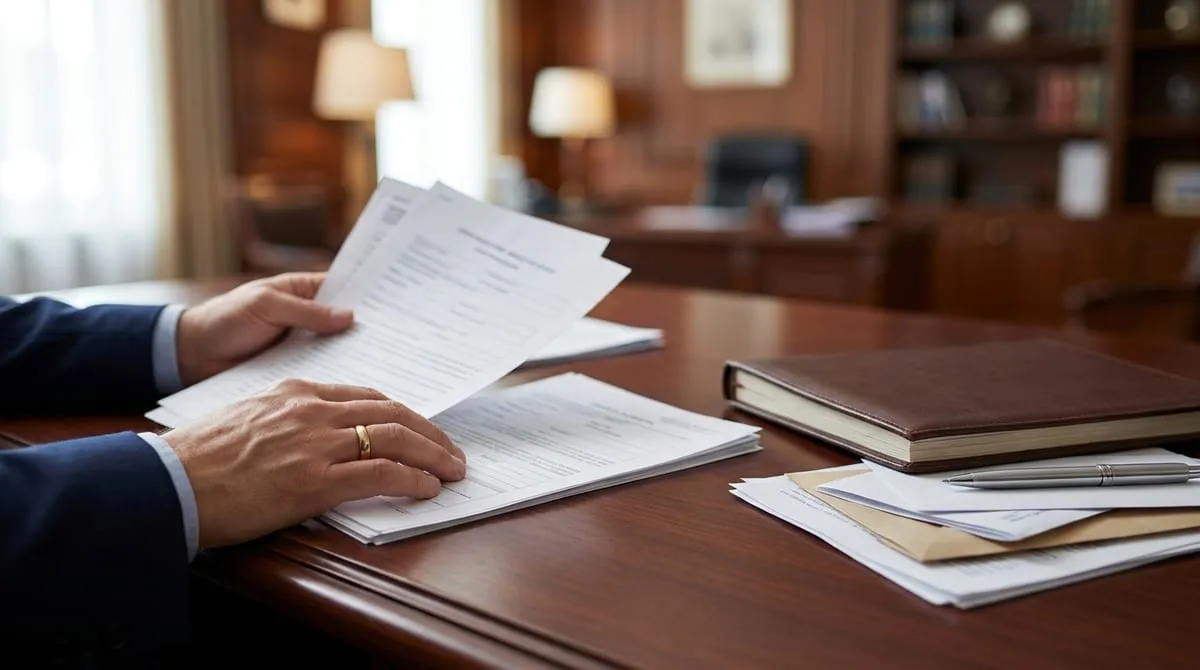
What Questions Does IRCC Ask at a Spousal Sponsorship Interview?
There is no official IRCC script for a spousal sponsorship interview. IRCC does not publish a standard list of questions, and every officer and file is different. What stays constant is the goal: confirming your relationship is genuine and not entered into only to gain permanent residence. Officers measure your answers against the forms already in your file, especially the IMM 5532 Relationship Information and Sponsorship Evaluation. In most interviews the sponsor and the sponsored person are questioned separately, and the officer compares each set of answers for consistency. Questions typically circle the same themes: how you met, your relationship history, your wedding, daily life, each other’s families, finances, and future plans. The full set, organized by category, is covered in the question bank below.
How to Prepare for a Spousal Sponsorship Interview (2026 Update)
Preparation starts with your own application. Reread every form and date so your account, your partner’s account, and the written file all line up. A major 2026 change matters here: effective January 16, 2026, IRCC officers can conduct interviews remotely for Family Class applicants residing in Canada, and outland applicants in Canada no longer have to travel abroad for an overseas interview by default. Applicants abroad are often interviewed by video on Webex or MS Teams. Do not over-rehearse. Officers are trained to spot memorized, coached answers, so aim for specific and truthful, not scripted. Bring only the documents named in your interview letter, and follow its instructions exactly.
1. How You Met and the Early Relationship
- When, where, and how did you first meet?
- Who introduced you, or did you meet online? Which platform or app?
- What was your first impression of each other?
- When did you first communicate, and how (call, text, video)?
- When did the relationship become romantic?
- When and where was your first in-person meeting if you met online?
- What is the first thing you talked about?
- Who sent the first message or made the first move?
- What first attracted you to your partner?
- How long after meeting did you start dating?
- Where did you go on your first date?
- Did you meet through family, friends, work, or school?
- What language did you speak when you first met?
- Did anyone else know about the relationship early on?
2. Relationship History and Development
- How did your relationship develop over time?
- How long did you date before deciding to marry or live together?
- What do you have in common? What interests and activities do you share?
- What challenges have you faced as a couple, and how did you handle them?
- Why did you decide to marry (or commit to) this person?
- Has either of you been married or in a sponsored relationship before?
- When did you say “I love you” for the first time?
- Have you ever broken up or separated, and why?
- When did you decide to spend your lives together?
- What is your favourite memory as a couple?
- What do you argue about most often, and how do you resolve it?
- What nicknames do you have for each other?
- How has your relationship changed since you first met?
- What do you admire most about your partner?
3. The Wedding, Engagement, or Commitment
- When and where did you get engaged? Who proposed?
- When and where did you get married?
- Who attended the wedding? How many guests?
- Did you have a ceremony or celebration? What was it like?
- Did you exchange gifts or receive wedding gifts?
- Did you go on a honeymoon? Where, and for how long?
- How did the proposal happen, and was it a surprise?
- Who was in the wedding party (best man, maid of honour)?
- What did each of you wear?
- What food was served at the wedding?
- Who paid for the wedding?
- Did both families attend? If not, why?
- What rings did you exchange, and where did you buy them?
- Did you have a religious, civil, or cultural ceremony?
4. Daily Life and Living Arrangements
- Do you live together? What is your current address?
- Describe your home: how many rooms, the layout, the furniture.
- What is on each side of the bed? What is in the fridge or kitchen?
- Who does the cooking, cleaning, and other household tasks?
- What is your typical daily routine together?
- What did you do together last weekend, anniversary, or holiday?
- What does your partner usually eat for breakfast? Likes and dislikes?
- What time does each of you wake up and go to sleep?
- Who gets up first in the morning?
- What colour are the walls in your bedroom?
- What appliances do you have in your kitchen?
- How many bathrooms does your home have?
- Who handles the groceries and household shopping?
- What do you usually watch on TV together?
- Do you have any pets? Who looks after them?
- What do you usually do together in the evenings?
5. Communication and Time Apart
- If you live apart, how often do you talk and through what methods?
- Can you show proof of ongoing communication (chats, call logs)?
- How do you handle the distance and time-zone differences?
- When did you last see each other in person?
- What apps do you use to stay in touch?
- Who usually initiates the calls?
- What do you talk about most when you speak?
- How long have you been physically apart, in total?
- How do you celebrate birthdays or holidays while apart?
- What are your plans to close the distance?
6. Each Other’s Families and Friends
- Have you met your partner’s parents and siblings? When and where?
- What are the names of your partner’s close family members?
- Does your partner’s family approve of the relationship?
- Have you met each other’s friends?
- Who have you each met on the other’s side, and when?
- How many siblings does your partner have, and what are their names?
- What do your partner’s parents do for a living?
- Where do your partner’s parents live?
- Have you spent time with your partner’s family (meals, holidays)?
- Who are your partner’s closest friends?
- Do your families communicate with each other?
- Were your families involved in arranging or approving the marriage?
- Who in your family knows your partner best?
- Have you attended any family events together (birthdays, funerals, weddings)?
7. Each Other’s Background
- What is your partner’s job and work history?
- What is your partner’s level of education?
- Where has your partner lived? Where were they born?
- What languages does your partner speak?
- What is your partner’s religion, if any?
- What is your partner’s date of birth?
- What is your partner’s current employer or occupation?
- What did your partner study, and where?
- What is your partner’s immigration or citizenship status?
- Has your partner traveled or lived abroad before?
- What are your partner’s hobbies and interests?
- What is your partner’s typical work schedule?
- What is your partner’s favourite food, music, or pastime?
- What is your partner’s full legal name?
8. Finances
- Do you share any finances, bank accounts, or bills?
- Who supports whom financially, and how?
- Do you have shared assets, a lease, or joint ownership of anything?
- How do you manage money as a couple?
- Do you send money to each other? How often, and by what method?
- Whose name is on the lease, mortgage, or utility bills?
- Do you have joint insurance or beneficiary designations?
- What are your household’s main monthly expenses?
- Do you have a joint budget or savings plan?
- Did either of you give the other financial gifts?
- Who paid for the immigration application and fees?
- Do you have any debts together?
9. Future Plans
- Where will you live together in Canada?
- What are your short-term and long-term plans as a couple?
- Do you plan to have children, or do you have children already?
- What are your career or settlement goals once reunited in Canada?
- What city or province do you plan to settle in, and why?
- What kind of home do you plan to live in?
- How will your partner find work in Canada?
- Do you plan to continue your education in Canada?
- What are your plans for the first few months after arrival?
- Do you have family or friends already in Canada?
- How will you support yourselves financially at first?
- What are your long-term goals for your life together?
10. Application and Immigration History
- Has either of you applied to come to Canada before?
- Are the details in your application and relationship forms accurate?
- Has your partner ever sponsored someone else before?
- Does any family member of yours plan to immigrate to Canada?
- Have you ever been refused a visa to Canada or any other country?
- Have you ever overstayed a visa or been removed from a country?
- Did you complete the IMM 5532 relationship form together or separately?
- Who helped you prepare the application?
- Have the facts in your application changed since you submitted it?
- Have you visited each other’s countries? How many times, and when?
- Did you apply inland or outland, and why?
- Is there anything in your application you would like to correct or clarify?
Frequently asked questions
01Can a spousal sponsorship interview be done remotely?
Yes, in many cases now. Effective January 16, 2026, IRCC officers can conduct interviews remotely for Family Class applicants residing in Canada. Applicants abroad are often interviewed by video conference on Webex or MS Teams, while those in Canada may attend in person at an IRCC office.
02Can I bring a lawyer or representative?
Yes. You can bring a representative, but they cannot speak on your behalf or answer questions for you. The questions are yours to answer, and the officer controls the interview.
03What happens if the interview does not go well?
If the interview raises concerns, the visa officer decides whether you can still be sponsored. A refusal carries the same consequences as any other: outland applicants have the right to appeal to the Immigration Appeal Division, while inland applicants do not.
04What happens after the interview?
After the interview, the officer may request additional documents, continue processing your application, or make a final decision. There is no fixed timeline, so follow any instructions in your interview letter or follow-up correspondence.
Stay informed
Get our immigration updates first on Google
Add SEP Immigration as a preferred source and our latest news and guides appear more often in your Google results.
About the Author

Sepehr Falahati
CEO of SEP Immigration
- CICC Licensed
- RCIC #R533959
- IRB Member
Sepehr Falahati is a Regulated Canadian Immigration Consultant (RCIC #R533959), licensed by the College of Immigration and Citizenship Consultants (CICC).
Read more about Sepehr FalahatiReviewed By

Continue Reading