
Canada Biometrics: What They Are and What Happens Next
Reviewed by Mohsen Khorvash and Mahsa Barati
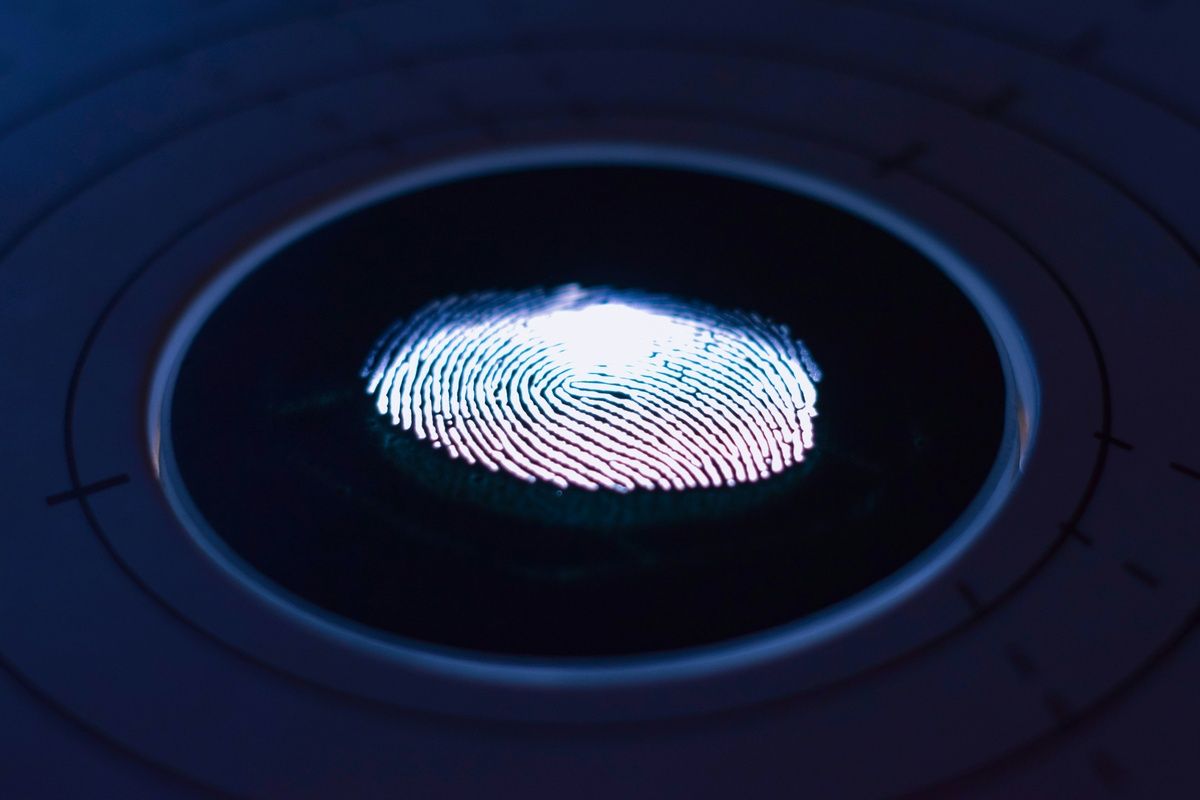
Biometrics are one of the most routine steps in Canadian immigration and one of the most misunderstood. Almost everyone applying for a visitor visa, a study permit, a work permit, or permanent residence has to give fingerprints and a photo before their application can move forward.
The process itself is quick and painless. What causes problems is timing: going too early, missing the 30-day deadline, or assuming your old biometrics still count.
This guide explains what biometrics mean for a visa, who must give them, who is exempt, what the appointment involves, and what actually happens after your biometrics are collected, whether you are waiting on a visitor visa or an Express Entry permanent residence application.
Key Facts About Canadian Biometrics
- What they are: your ten fingerprints and a digital photo, nothing more.
- Who gives them: most applicants aged 14 to 79.
- Cost: 85 dollars per person, capped at 170 dollars per family.
- Timing: after you apply, within 30 days of your biometric instruction letter.
- Where: a visa application centre abroad, a Service Canada location inside Canada, or an application support centre in the United States.
- Validity: generally 10 years for temporary residence applications.
What Are Biometrics, and What Do They Mean for a Visa?
Biometrics are your fingerprints and photo. Immigration, Refugees and Citizenship Canada (IRCC) collects them to confirm your identity and to help assess your application. In practice, an officer takes a digital photograph of your face and scans all ten fingerprints, and the appointment takes roughly ten to fifteen minutes. There is no blood test and nothing invasive.
Their purpose is identity verification and screening. Once your fingerprints are on file, they can be checked against immigration and law enforcement records, which helps confirm you are who you say you are and that you have not previously been refused or removed under another identity.
If your application is approved and you later travel to Canada, a border officer may verify your identity against those same biometrics on arrival.
Who Needs to Give Biometrics?
Unless you are exempt, you need to give biometrics when you apply for temporary residence (except United States nationals), permanent residence, an extension of your stay in Canada (unless you are from a visa-exempt country), or refugee or asylum status.
Who Is Exempt From Biometrics?
Exemptions are specific. The main ones are set out below.
| Exempt group | Notes |
|---|---|
| Canadian citizens, citizenship applicants, and existing permanent residents | Includes passport applicants and PR card renewals |
| Visitors applying for an electronic travel authorization (eTA) | Applies to visa-exempt travellers coming only to visit |
| Children under 14 | Based on age when the application was submitted |
| Applicants over 79 | No upper age exemption for asylum claimants |
| United States nationals | Exempt for temporary residence, but not for permanent residence |
| Heads of state and government, and diplomatic or official visa holders | Official business |
| Visa-exempt citizens extending their stay | For a visitor record |
One detail catches people out: if you were 79 when you submitted your application and turn 80 while it is being processed, you must still give your biometrics. Age is judged at the time of submission.
When Does IRCC Ask for Biometrics?
After you apply, never before. The sequence is fixed:
- Submit your application and pay the biometrics fee.
- Receive your biometric instruction letter (BIL). If you applied online, this can arrive within about 24 hours.
- Book an appointment at a designated collection site.
- Attend in person within 30 days of the date on your letter.
Two deadlines matter. Do not go to a collection site before you have your BIL, because you will be turned away without it. And do not let the 30 days lapse, because an application can be treated as abandoned or refused if biometrics are not provided. If you are exempt, you simply will not receive a letter.
How Much Do Biometrics Cost?
| Applicant | Fee (CAD) |
|---|---|
| Per person | 85 |
| Family cap, two or more people applying together | 170 |
| Group cap, three or more performing artists | 255 |
The fee is paid with your application, not at the collection site. Note that Service Canada locations do not accept application fees or biometrics payments, so this must be settled when you apply.
Where Do You Give Biometrics?
| If you are | Where to go | Appointment |
|---|---|---|
| Outside Canada | A visa application centre (VAC) | Some allow walk-ins, many require booking |
| Inside Canada | A designated Service Canada location | Appointment required |
| In the United States | An application support centre (ASC) | Appointment usually required |
Not every Service Canada office collects biometrics, so use the list of designated locations in your instruction letter rather than visiting your nearest office and hoping.
How to Book a Biometric Appointment in Canada
Once your BIL arrives, book an appointment at a designated site before you travel there. Bring the instruction letter itself, your passport, and any other identification the letter specifies.
Arrive on time, because a missed appointment eats into your 30-day window. If you cannot attend within the deadline due to circumstances outside your control, contact IRCC rather than simply letting the deadline pass.
What Happens After Biometrics?
Giving biometrics is not the final step, but it does unblock your file. Once your fingerprints and photo are on record, IRCC continues processing, which generally includes reviewing your eligibility, running background and security checks, and assessing any medical requirement. What follows depends on what you applied for:
- Visitor visa. If approved, you are usually asked to submit your passport so the visa can be placed in it, then it is returned to you.
- Study or work permit from outside Canada. If approved, you receive a port of entry letter of introduction, and the permit itself is issued when you arrive.
- Permanent residence. Biometrics are one step among several, alongside medical exams and background checks, before a final decision and your confirmation of permanent residence.
- Applications from inside Canada. Processing continues and the decision is communicated through your online account.
Processing Time After Biometrics
There is no single answer, and this is the question people ask most. Processing time after biometrics depends on your application type, the office handling your file, and your country of residence.
Biometrics do not restart your timeline, but they do remove a hold on it, since many files will not advance until they are collected. Giving them promptly is the part you control.
For a realistic estimate, check the Government of Canada's processing times tool for your specific application and country rather than relying on what someone else experienced.
How Long Are Biometrics Valid?
For most temporary residence applications, biometrics are valid for 10 years from the date you gave them, and IRCC can reuse them within that window instead of asking you to repeat the appointment. A student who gave biometrics for a study permit, for example, may not need to give them again for a later work permit application while they are still valid.
You can check whether yours are still valid, and when they expire, using IRCC's online status tool.
Permanent residence has worked differently at different times, including a temporary policy that allowed reuse of biometrics given within the previous 10 years.
Because these rules change, do not assume reuse. Apply normally, and let your biometric instruction letter tell you whether you need to attend again. If no letter arrives, you are not being asked.
Mistakes to Avoid
- Going before you receive the BIL. You will be turned away.
- Missing the 30-day deadline. This can lead to your application being refused or treated as abandoned.
- Paying per person instead of the family cap. Two or more applying together pay 170, not 85 each.
- Assuming old biometrics count. Check validity rather than guessing.
- Going to the wrong office. Not every Service Canada location collects biometrics.
- Forgetting the instruction letter. Bring it with your passport to the appointment.
Biometrics are simple, but the timing rules around them cause avoidable refusals and delays. SEP Immigration, led by Sepehr Falahati (CICC and IRB member R533959), prepares complete applications and keeps your file moving through every step, from submission to decision.
This page is general information, not legal advice. Biometrics rules, fees, and exemptions change. Confirm current requirements on the Government of Canada's biometrics and who needs to give biometrics pages, or with a licensed representative, before you act.
Frequently asked questions
01What are biometrics for a Canadian visa?
Biometrics are your fingerprints and a digital photo. IRCC collects them to confirm your identity and help assess your application. Nothing invasive is involved, and the appointment usually takes about ten to fifteen minutes.
02When does IRCC ask for biometrics?
After you submit your application and pay the biometrics fee, not before. IRCC sends a biometric instruction letter, and online applicants may receive it within about 24 hours. You then have 30 days from the date on the letter to attend. Do not go to a collection site before you receive it.
03How much do biometrics cost in Canada?
85 Canadian dollars per person, with a family cap of 170 dollars when two or more people apply together, and a group cap of 255 dollars for three or more performing artists.
04After biometrics, what is next for a Canada visitor visa?
IRCC continues processing, including eligibility review and background and security checks. If your visitor visa is approved, you are typically asked to send your passport so the visa can be placed in it. Processing time after biometrics varies by country and application type.
05How long are biometrics valid in Canada?
For most temporary residence applications, 10 years from the date you gave them, and they can be reused within that window. Permanent residence rules have differed over time, so do not assume reuse. Let your biometric instruction letter tell you whether you need to attend again.
Stay informed
Get our immigration updates first on Google
Add SEP Immigration as a preferred source and our latest news and guides appear more often in your Google results.
About the Author

Sepehr Falahati
CEO of SEP Immigration
- CICC Licensed
- RCIC #R533959
- IRB Member
Sepehr Falahati is a Regulated Canadian Immigration Consultant (RCIC #R533959), licensed by the College of Immigration and Citizenship Consultants (CICC).
Read more about Sepehr FalahatiReviewed By


Continue Reading