

Alberta runs the most transparent provincial nominee program in Canada. It publishes its remaining nomination spaces, the size of its candidate pool and the minimum score for every draw it holds, which means you can work out your real odds before spending a dollar. The Alberta Advantage Immigration Program is the provincial route, and the numbers it publishes are not always encouraging.
Provincial nomination is not the only way in. Most newcomers to Alberta arrive through federal programs managed under Express Entry, all of which lead to Canadian permanent residence without provincial involvement. This guide covers every current route into the province, what each one requires in 2026, and where the competition actually sits.
Alberta Immigration Programs in 2026
Alberta nominates candidates. Immigration, Refugees and Citizenship Canada decides who becomes a permanent resident. The province participates in the wider Provincial Nominee Program framework and holds an allocation of 6,603 nomination spaces for 2026, an increase on the 6,403 figure Alberta published at the start of the year.
Four broad routes lead to Alberta: the AAIP with its eight streams, federal economic programs including the Canadian Experience Class, the federal Rural Community Immigration Pilot operating in one Alberta town, and study or work routes that build the Canadian experience the first two reward. Family sponsorship runs alongside all of them.
Alberta Advantage Immigration Program (AAIP)
The AAIP has four streams for workers and four for entrepreneurs. Every worker stream now runs through a single Worker Expression of Interest system, so you no longer apply directly to a stream. You submit one profile, Alberta scores it out of 100, and the province invites candidates from that pool when it holds a draw.
AAIP Worker Streams
The Alberta Opportunity Stream is the largest by a wide margin and is built for people already working in the province on a valid work permit with a job offer to continue. The Alberta Express Entry Stream selects candidates from the federal pool and houses three dedicated pathways: the Accelerated Tech Pathway, the Law Enforcement Pathway and a set of priority sector draws covering construction, manufacturing, agriculture and aviation. The Rural Renewal Stream depends on a designated rural community endorsing you first. The Tourism and Hospitality Stream serves that sector specifically, and the Dedicated Health Care Pathway serves eligible health professions.
AAIP Nomination Allocation for 2026
Alberta splits its allocation across streams and publishes what is left. These figures are current as of the July 30, 2026 update and Alberta reserves the right to move spaces between streams without notice.
| Stream or pathway | 2026 allocation | Nominations issued | Spaces remaining |
|---|---|---|---|
| Alberta Opportunity Stream | 3,562 | 2,085 | 1,477 |
| Rural Renewal Stream | 1,057 | 613 | 444 |
| Accelerated Tech Pathway | 619 | 388 | 231 |
| Priority sector draws | 619 | 420 | 199 |
| Dedicated Health Care Pathways | 518 | 220 | 298 |
| Tourism and Hospitality Stream | 156 | 129 | 27 |
| Entrepreneur streams | 60 | 30 | 30 |
| Law Enforcement Pathway | 12 | Fewer than 10 | Not published |
How Competitive the Alberta Expression of Interest Pool Is
The allocation table only tells half the story. Alberta also publishes how many expressions of interest are sitting in the pool, and the ratio is where most candidates get an honest answer. There were 36,948 profiles in the pool at the last update, with 23,056 of them pointing at the Alberta Opportunity Stream alone. That single stream has roughly fifteen candidates for every remaining space.
The Rural Renewal Stream pool sits at 1,850, the Accelerated Tech Pathway at 2,136, and the Dedicated Health Care Pathways at 1,332. Those are dramatically better ratios, which is the practical argument for building your profile around a pathway rather than defaulting to the biggest stream.
AAIP Draw Scores by Stream
Alberta does not publish a target score in advance and states plainly that score is not the only factor it considers. What it does publish is the minimum score of invited candidates in every 2026 draw, which gives you a usable range.
| Stream or pathway | 2026 minimum scores | Typical invitation volume |
|---|---|---|
| Tourism and Hospitality Stream | 71 to 73 | 60 to 100 |
| Alberta Opportunity Stream | 50 to 65 | 440 to 995 |
| Accelerated Tech Pathway | 55 to 63 | 100 to 200 |
| Priority sector draws | 47 to 65 | Under 10 to 109 |
| Dedicated Health Care Pathways | 45 to 64 | 35 to 102 |
| Rural Renewal Stream | 50 to 55 | 12 to 349 |
| Law Enforcement Pathway | 46 to 58 | Fewer than 10 |
Which Alberta Stream Is Realistically Easiest to Qualify For
The counterintuitive result is that the smallest stream is the hardest. Tourism and Hospitality has the tiniest allocation in the program and the highest cut-off scores of any pathway, consistently above 70. Meanwhile the Dedicated Health Care Pathways and the priority sector draws have invited at scores in the forties, and the Rural Renewal Stream has never gone above 55 this year. Alberta publishes the full record on its AAIP processing information page, and it is worth reading before you decide which stream to build toward.
One cost note: Alberta introduced a $135 fee to submit a Worker Expression of Interest on April 7, 2026. The AAIP application fee that follows an invitation is charged separately and is not refunded if your application is refused, so eligibility should be settled before either payment. If timing matters to your work permit, the AAIP processing time data tells you which application dates Alberta is currently assessing.
Immigrate to Alberta Through Express Entry
Express Entry does not require a job offer, and for candidates outside Canada it is usually the more realistic route. Your Comprehensive Ranking System score determines whether you are invited, and category-based rounds targeting healthcare, trades, education and French-language ability have made the federal system considerably more accessible for candidates whose overall scores sit below the general cut-off.
The two systems connect through the Alberta Express Entry Stream. Alberta searches the federal pool, issues a Notification of Interest to candidates matching its priorities, and a nomination that follows adds 600 CRS points, which in practice guarantees an invitation in the next general round. Alberta requires a minimum CRS of 300 to be considered, but that is a floor rather than a competitive threshold.
Federal Spaces for Physicians and French Speakers
Up to 10,000 federal immigration spaces sit outside the standard provincial allocations in 2026 for practice-ready physicians and Francophone candidates. Alberta nominations issued under this initiative do not count against the province's 6,603 spaces at all. Physicians must fall under NOC 31100, 31101 or 31102 and meet the Dedicated Health Care Pathway requirements. Francophone candidates may work in any AAIP-eligible occupation but must reach CLB or NCLC 5 in French across all four abilities. Alberta had issued 50 physician and 12 Francophone nominations under it at the last update, so the capacity is barely touched.
Rural Immigration Options in Alberta

Two rural routes operate in the province and they are frequently confused. The Rural Renewal Stream is Alberta's own, covering dozens of designated communities, and it requires a community endorsement before you can submit an expression of interest. Alberta tightened its rules for applications received on or after January 1, 2026, including a requirement that foreign nationals already in Canada hold a valid work permit at the time of application and assessment. The province made the change because endorsement volumes had outrun the nomination spaces available.
The federal Rural Community Immigration Pilot is separate and runs through IRCC rather than the province. Claresholm is the only Alberta community taking part, with priority sectors including aerospace and agricultural services. A community recommendation there leads straight to a permanent residence application with no provincial nomination involved.
Study in Alberta and Apply for Permanent Residence
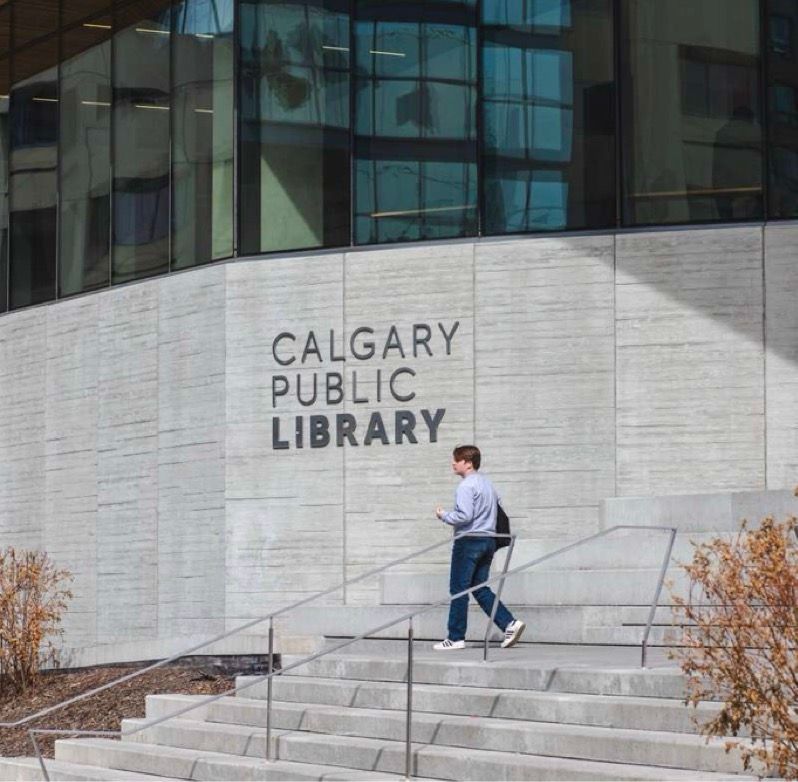
Studying in Alberta is a credible route to permanent residence provided you plan the exit before you enrol. A study permit gets you in, and a Post-Graduation Work Permit lets you build the Alberta work experience the Opportunity Stream requires and the Canadian Experience Class rewards.
Graduates of approved Alberta post-secondary institutions also unlock the Graduate Entrepreneur Stream, which has no equivalent for graduates from elsewhere. The field of study restrictions attached to PGWP eligibility mean the program you choose determines whether the permit exists at all, so that decision belongs at the application stage rather than at graduation.
Work Permits for Alberta Jobs
Most people nominated by Alberta are already working there. The Alberta Opportunity Stream, the Tourism and Hospitality Stream and the revised Rural Renewal Stream all assume a valid work permit, which makes the temporary stage a prerequisite rather than an alternative. Getting there usually means an employer-specific permit supported by a Labour Market Impact Assessment, or an exemption under an international agreement or intra-company transfer.
Business and Entrepreneur Immigration to Alberta
Alberta runs four entrepreneur streams: Rural Entrepreneur, Graduate Entrepreneur, Farm Stream and Foreign Graduate Entrepreneur. Between them they hold 60 nomination spaces for 2026 against 228 applications already in process, and Alberta notes that business files move through several stages of review with frequent contact with program staff. Treat these as long, document-heavy routes rather than quick ones. The federal Start-up Visa is the alternative for founders who do not need provincial involvement.
Sponsoring Family to Alberta
None of the scoring above applies to family reunification. Canadian citizens and permanent residents living in Alberta can sponsor a spouse, common-law partner, dependent children, and in some cases parents and grandparents. Spousal sponsorship is processed federally, so an Alberta address changes nothing about eligibility, though the inland and outland choice affects work permit access and appeal rights.
Cost of Living and Settling in Alberta
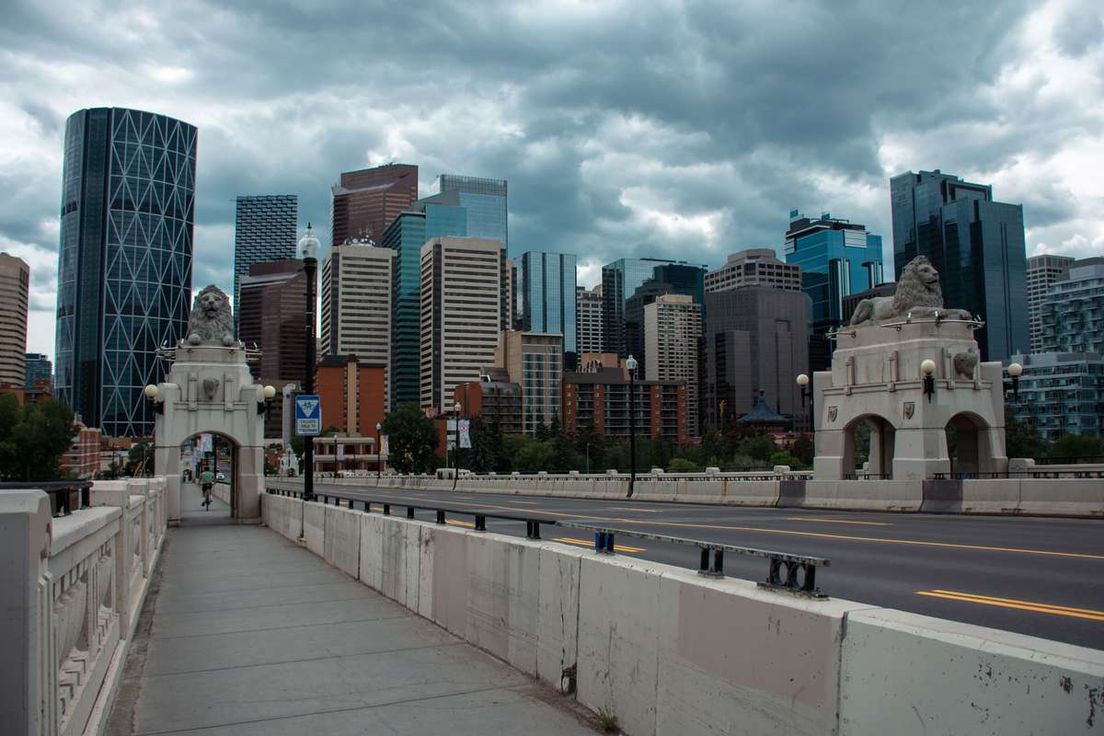
Alberta is the only province with no provincial sales tax, and housing in Calgary and Edmonton remains cheaper than in Toronto or Vancouver, though the gap has narrowed sharply with interprovincial migration. Healthcare runs through the Alberta Health Care Insurance Plan, and new permanent residents should register on arrival rather than waiting, since coverage follows registration. Alberta publishes its full stream list and eligibility rules on the AAIP application streams page.
SEP Immigration assesses which Alberta route fits your profile, scores your expression of interest before you file it, and manages the application through to permanent residence. Book a consultation with a licensed RCIC to review your options.
General information only, not legal advice. AAIP allocations, draw scores, fees and stream criteria change frequently and Alberta may redistribute spaces without notice. Verify current details on alberta.ca before you act. Current as of August 2026.
Frequently asked questions
01
Do I need a job offer to immigrate to Alberta?
For most AAIP worker streams, yes. The Alberta Opportunity, Tourism and Hospitality and Rural Renewal streams all require a job offer, and most require you to already be working in the province. The Alberta Express Entry Stream can select from the federal pool without arranged employment, and federal Express Entry programs do not require a job offer at all.
02
How many nominations does Alberta have in 2026?
The 2026 allocation is 6,603 spaces. As of July 30, 2026, Alberta had issued 3,892 nominations with 2,711 remaining. Nominations for practice-ready physicians and Francophone candidates under a separate federal initiative do not count against that figure.
03
What AAIP score do I need to be invited?
There is no fixed cut-off. Alberta ranks expressions of interest out of 100 and sets a minimum for each draw. In 2026, Alberta Opportunity Stream draws have run between 50 and 65, Rural Renewal between 50 and 55, and Tourism and Hospitality between 71 and 73. Alberta also states that score is not the only selection factor.
04
Does it cost anything to submit an Alberta expression of interest?
Yes. A $135 fee applies to Worker Expression of Interest submissions as of April 7, 2026. The AAIP application fee is charged separately after an invitation and is not refundable if the application is refused.
05
What changed in the Rural Renewal Stream in 2026?
New criteria apply to applications received on or after January 1, 2026, including a requirement that foreign nationals already in Canada hold a valid work permit at the time of application and assessment. Alberta made the change because community endorsement volumes were exceeding available nomination spaces.
06
Can I immigrate to Alberta as an entrepreneur?
Yes, through four entrepreneur streams. Capacity is very limited, with 60 nomination spaces allocated for 2026 against 228 applications in process, so these are long routes rather than fast ones.